Himalayan Mystique: The Ultimate Guide to Exploring Gangtok & Sikkim Offbeat Trails
Himalayan Mystique: The Ultimate Guide to Exploring Sikkim Offbeat Trails
Sikkim, a small mountain state located in the Eastern Himalayas, is a land of dramatic landscapes, ancient monasteries, glacial lakes, and hidden valleys. While popular destinations like Gangtok and Pelling attract many tourists, the real magic of Sikkim lies in its offbeat trails and remote villages. From the high-altitude alpine lakes near the China border to the quiet, organic villages of South and West Sikkim, this guide is designed for adventure seekers and nature lovers who want to explore the unseen and mystical side of this Himalayan paradise.
The Charm of East Sikkim's Silk Route
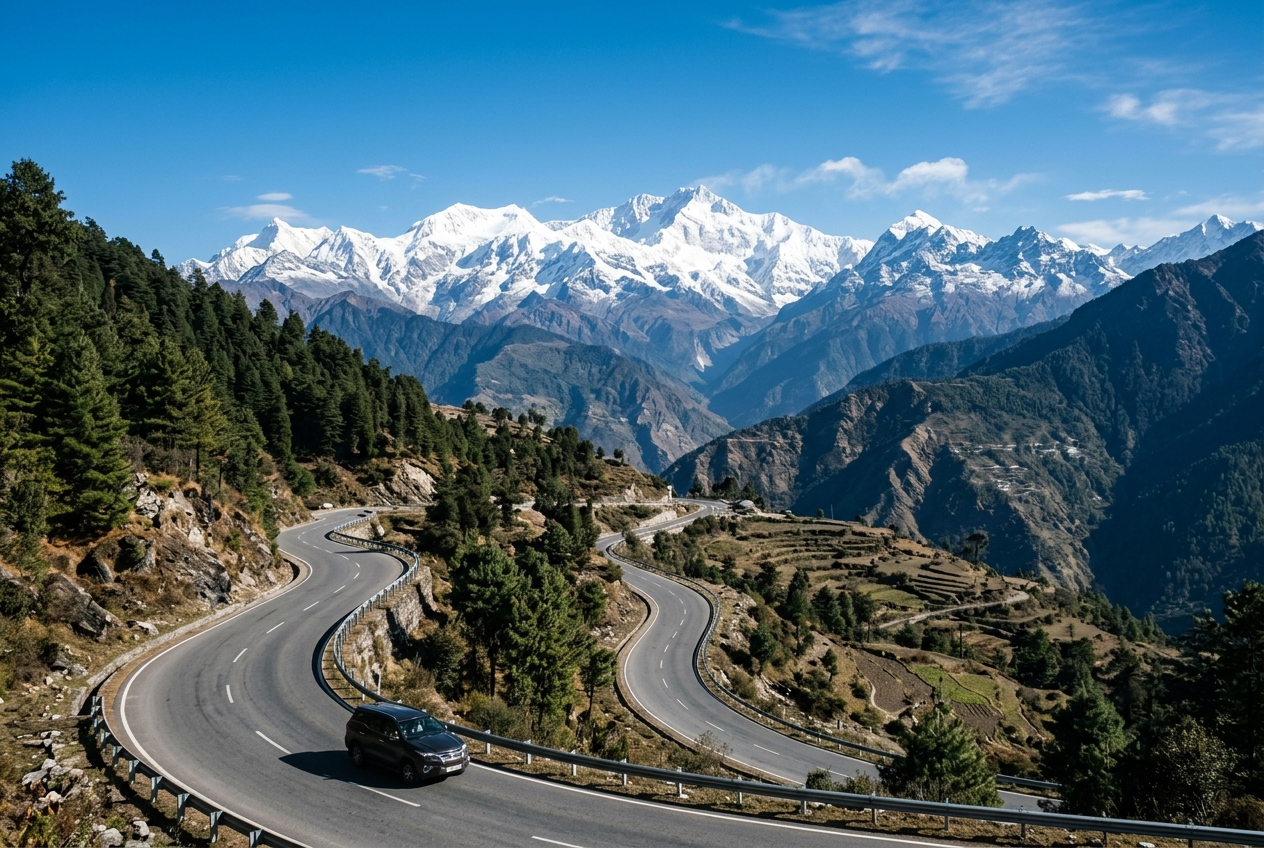
The Old Silk Route in East Sikkim is a historical trade path that once connected India with Tibet. Today, it is one of the most spectacular driving routes in the world. The journey takes you through winding roads with 32 hairpin turns (Zuluk Loops) offering breathtaking views of the valleys below. The route passes through Zuluk, a small village located at an altitude of 9,400 feet, which serves as a base for exploring the region. Highlights include the Thambi View Point (for sunrise views), the sacred Kupup Lake (Elephant Lake), and the Baba Harbhajan Singh Temple. The rugged beauty and high-altitude landscape make the Silk Route an unforgettable adventure.
The Glacial Wonder of Tsomgo Lake
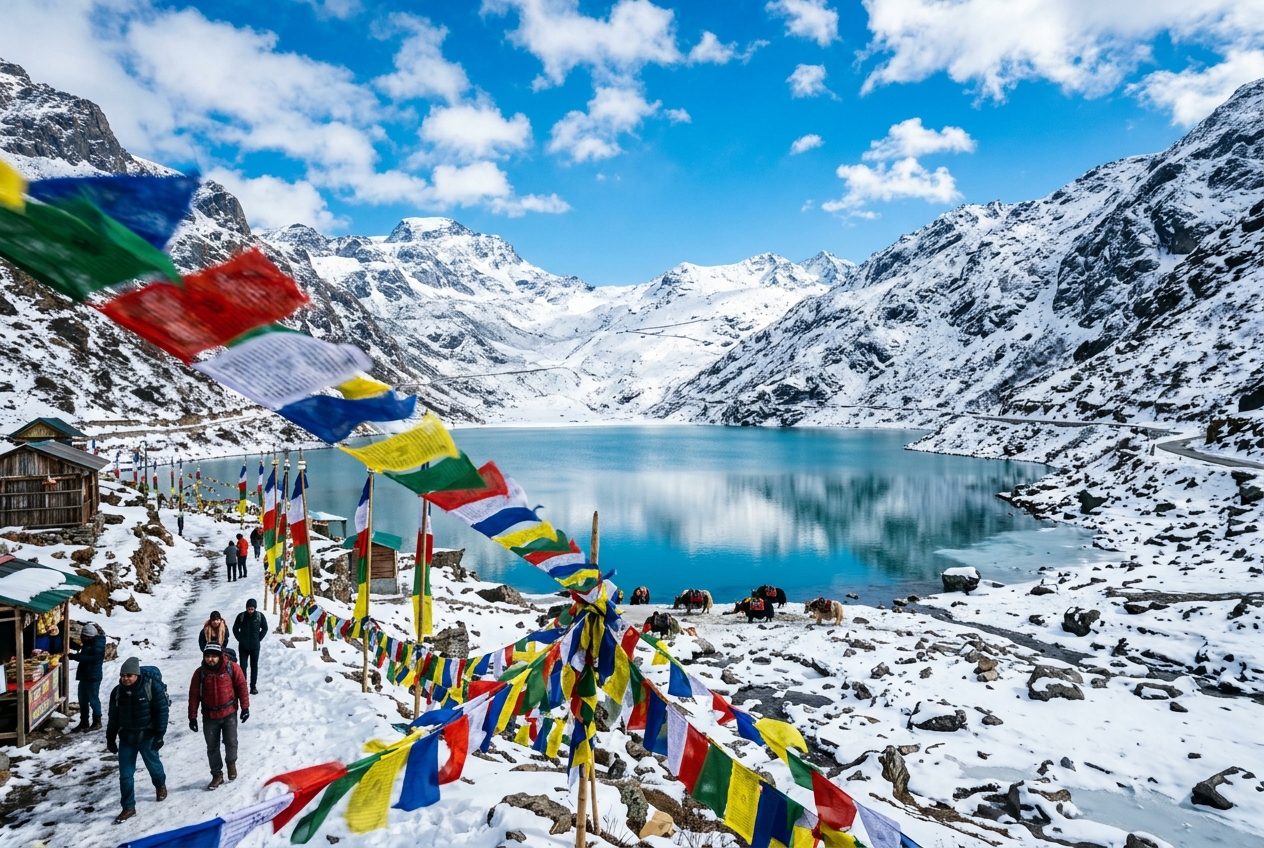
Located about 40 km from Gangtok at an altitude of 12,400 feet, Tsomgo Lake (also known as Changu Lake) is a glacial lake of exceptional beauty. The lake is surrounded by steep, snow-covered mountains, and its waters change color according to the seasons—from a deep blue in autumn to a pristine white when it freezes in winter. Local Sikkimese people consider the lake sacred, and it is associated with many myths and legends. Visitors can enjoy rides on brightly decorated yaks, walk along the snowy banks, and taste hot local noodle soup at the lakeside stalls. A special permit is required to visit Tsomgo Lake, which can be easily arranged through local travel agencies.
Discovering West Sikkim: Lachen and Lachung
For those seeking high-altitude adventure, North Sikkim is a paradise. The twin villages of Lachen and Lachung are the gateways to some of the most remote and spectacular areas of the Himalayas. Lachen is the base for visiting Gurudongmar Lake, one of the highest lakes in the world at an altitude of 17,800 feet. The sight of this pristine blue lake surrounded by barren, snow-capped mountains is awe-inspiring. Lachung is the gateway to the Yumthang Valley, also known as the Valley of Flowers, which comes alive with blooming rhododendrons, primulas, and poppies during spring. The simple lifestyle of the local Lachenpas and Lachungpas adds to the charm of these northern outposts.
Practical Guidelines for Sikkim Travel
Traveling in Sikkim requires some preparation due to its high altitude and border locations:
- Permits: Many areas in Sikkim (including Tsomgo Lake, North Sikkim, and the Silk Route) require Protected Area Permits (PAP) due to their proximity to international borders. You will need passport-sized photos and government-issued ID proofs (like Voter ID or Passport) to obtain these.
- Acclimatization: High-altitude areas like Gurudongmar Lake (17,800 ft) can cause altitude sickness. It is important to stay hydrated, avoid physical overexertion, and ascend slowly.
- Best Time to Visit: March to May (for spring flowers) and October to December (for clear mountain views and snow).
Sikkim is a land that stays in your heart long after you have left. Its combination of natural beauty, spiritual tranquility, and adventure makes it a destination that inspires and rejuvenates the traveler's soul.